
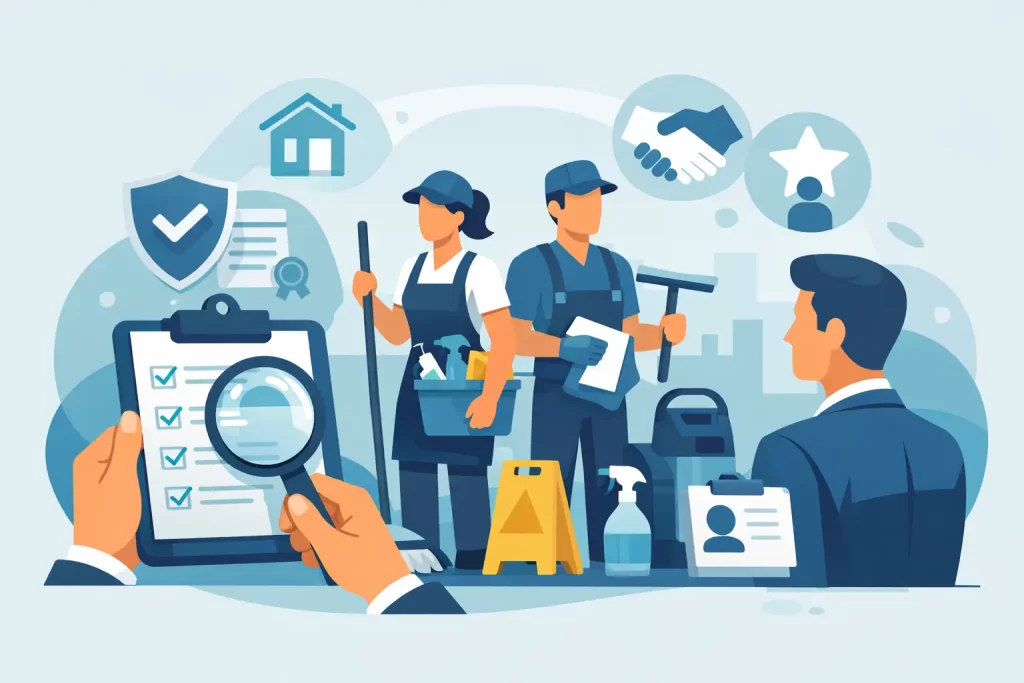
A cleaner may have great photos, a low quote, and availability this week. None of that answers the question that matters most when someone will be working in your home, office, or retail space: can you trust them? Knowing how to vet bonded cleaners helps you look beyond marketing claims and choose a team with real accountability.
A bond is a valuable trust signal, but it is not a shortcut around asking good questions. The right cleaning company should be comfortable explaining its credentials, how it trains staff, what is covered, and how it handles problems if they arise.
Start With What “Bonded” Actually Means
Being bonded generally means a cleaning company has purchased a surety bond that can provide financial protection in specific situations, most often theft or dishonest acts by an employee. If a covered loss occurs, the customer may be able to file a claim under the bond, subject to its terms and limits.
That is reassuring, especially when cleaners have access to private rooms, valuables, confidential paperwork, inventory, or keys. But a bond is not the same as insurance. It usually does not cover every type of accidental damage, injury, or service dispute. A company that says it is bonded should also carry appropriate insurance.
Ask what type of bond the company holds and whether its employees are covered. A professional provider should give you a clear answer without vague phrases such as “don’t worry, we’re protected.” If the representative cannot explain the coverage or refuses to provide documentation, consider that a reason to keep looking.
How to Vet Bonded Cleaners Beyond the Bond
Trustworthy cleaning service starts with credentials, then continues with the way the business operates. Look at the full picture rather than treating a bond as a one-item pass or fail test.
Confirm licensing and insurance
Ask whether the company is licensed to operate where it serves customers and whether it carries general liability insurance. Liability coverage can help when accidental property damage occurs during service, such as a broken fixture, a damaged countertop, or spilled cleaning product on flooring.
For businesses, also ask about workers’ compensation coverage. If a cleaner is injured on your property, this coverage can be especially relevant. Requirements differ by state and business structure, so the exact answer may vary, but a reputable company will be direct about its coverage.
Request a current certificate of insurance when the job is substantial, recurring, or involves higher-risk areas. This is normal due diligence for an office manager or property owner. Residential clients can ask as well, particularly before granting regular access to a home.
Ask who will actually enter your property
Some cleaning businesses rely on employees, while others primarily send independent contractors or subcontractors. Neither arrangement automatically means better or worse service, but you deserve to know which model applies.
Ask whether cleaners are background checked, trained, and supervised. Find out whether the same team can return for recurring appointments and who manages schedule changes or quality concerns. Consistency matters because a familiar, trained team learns your priorities and reduces the uncertainty of letting new people into your space.
For commercial properties, clarify access procedures. Will staff be issued keys, codes, badges, or alarm instructions? How does the company document who has access? A dependable provider has a process for safeguarding those details and removing access promptly when an employee leaves.
Get specific about training and cleaning practices
“Professional cleaning” should mean more than showing up with supplies. Ask how staff are trained to clean and disinfect high-touch surfaces, prevent cross-contamination between rooms, and use products safely around children, pets, employees, and customers.
The right approach depends on the space. A family home may need pet-safe product options and extra attention to kitchens and bathrooms. An office may need nightly trash removal, restroom sanitation, and careful cleaning around electronics. A retail space may prioritize entry glass, fitting rooms, floors, and customer-facing areas.
You should also ask whether the company provides supplies and equipment or expects you to supply them. There is no universal right answer. Providing supplies can simplify the process for you, while supplying your own products may make sense if someone in the home has allergies or you have a required facility product. What matters is that expectations are clear before the first visit.
Check Reputation Where Details Matter
Reviews are useful, but do not rely only on the star rating. Read the comments for patterns. Look for references to punctuality, communication, thoroughness, respectful staff, and how the company handled a concern. A single unhappy review does not necessarily disqualify a business. The response can tell you a lot about whether the company takes responsibility.
Ask for references if you are hiring for a larger commercial contract, post-construction cleanup, move-in or move-out cleaning, or recurring service across multiple locations. When speaking with a reference, ask whether the cleaning team arrives reliably, whether the scope is followed, and how quickly management responds when something needs attention.
It can also help to review how long the company has operated and whether its business information is consistent across its estimate, invoice, phone number, and public listings. Professionalism often shows up in the small operational details.
Compare Written Estimates, Not Just Prices
The lowest quote can become the most expensive option if the scope is unclear or the service is inconsistent. A written estimate should state what rooms or areas will be cleaned, which tasks are included, the frequency of service, the expected price, and any conditions that could change the cost.
For a home, clarify details such as inside appliances, interior cabinets, blinds, baseboards, laundry, and changing bed linens. For a business, confirm cleaning frequency, trash handling, restroom restocking, floor care, window cleaning, and any after-hours requirements. These services are often priced separately, and that is reasonable as long as it is explained upfront.
Ask how the company handles extra time or unexpected conditions. A move-out cleaning may take longer than expected if the property has heavy buildup. A retail location may need additional attention after a busy season. Clear approval procedures prevent surprise charges.
Also review cancellation policies, payment terms, and satisfaction policies. A credible company should not promise perfection in every circumstance, but it should have a practical process for addressing missed items. Ask how quickly you need to report an issue and whether the company will return to correct it when appropriate.
Watch for Red Flags Before You Book
A company does not need a polished corporate presentation to be dependable, but it should be transparent. Be cautious if you encounter several warning signs at once:
- The company claims to be bonded or insured but will not explain the coverage or share proof.
- Pricing is unusually low with no clear scope, written estimate, or service terms.
- The person booking the job cannot say who will perform the work or whether staff are screened.
- Communication is inconsistent before service begins, especially around arrival times and questions.
- The business pressures you to pay in full before a substantial job without a clear agreement.
One issue may have an innocent explanation. Several issues can indicate a company that is not prepared to protect your property or deliver reliable service.
Use a Walkthrough for Larger or Ongoing Jobs
For a large home, office, medical-adjacent workspace, retail location, or recurring contract, request a walkthrough or detailed consultation before committing. This gives the cleaner a chance to see the condition of the space, identify special materials, and create a realistic scope. It also gives you a chance to judge whether the company listens.
During the walkthrough, point out areas that need special care, items that should not be moved, restricted rooms, and any concerns about pets, alarms, or sensitive equipment. A good cleaning partner will take notes, set reasonable expectations, and avoid promising results that the condition of the space does not support.
For recurring service, start with a clear checklist and revisit it after the first few cleanings. Your needs may change, and the company should be responsive enough to adjust the plan without making the process difficult.
Choose Accountability, Not Just Availability
When you hire cleaners, you are trusting people with your property, your schedule, and the health and presentation of your space. Bonding adds an important layer of reassurance, but the best choice also has insurance, trained staff, dependable communication, and a written plan for the work.
At JPR Cleaning, we believe trust is earned through professional service, clear expectations, and consistent results. Whether you need help maintaining a home or keeping a business ready for employees and customers, take the time to ask direct questions before booking. The right cleaning team will welcome them – and give you confidence long after the first clean.