
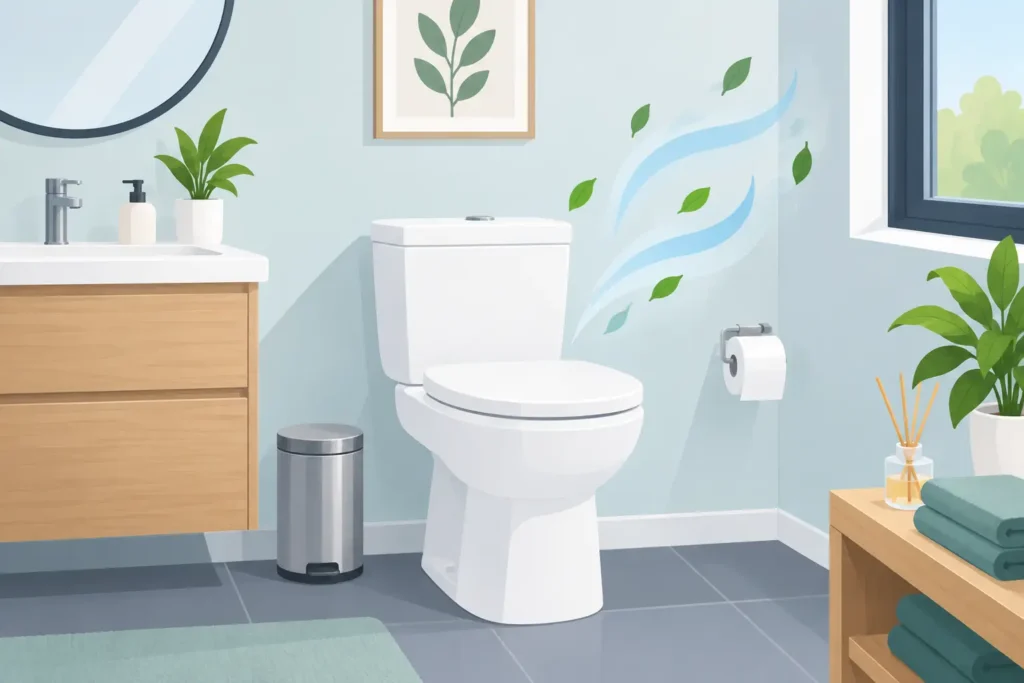
A restroom can look freshly cleaned and still have an odor problem. That is because odors usually come from places that are easy to miss: drain buildup, damp towels, a dirty toilet base, poor airflow, or waste that sits too long. Knowing how to prevent restroom odors means addressing the source, not just covering it with air freshener.
For homeowners, apartment residents, offices, and retail spaces, a fresh restroom sends a clear message: this space is cared for. It also supports a cleaner, healthier environment for family members, employees, customers, and guests.
How to Prevent Restroom Odors Before They Start
The most reliable odor control is a consistent cleaning routine. Restrooms have moisture, frequent hand contact, and enclosed spaces working against them. When soap residue, hair, bacteria, and standing water are allowed to build up, unpleasant smells have a place to develop.
Clean high-use areas often enough for the traffic they receive. A guest bathroom used occasionally may only need a thorough weekly cleaning, while a busy office or customer restroom may require attention every day or several times a day. The right schedule depends on use, ventilation, and the number of people sharing the space.
Focus on cleaning the toilet bowl, seat, lid, flush handle, and exterior. Do not overlook the floor around the toilet, the wall behind it, and the area where the toilet meets the floor. Small splashes and moisture can collect there and create odors over time, even when the bowl itself looks clean.
Wipe down counters, faucets, sink handles, and dispensers regularly. Soap scum and toothpaste residue are not always the main cause of a strong odor, but they trap moisture and contribute to an overall unclean smell. Use a disinfecting cleaner appropriate for the surface, then dry surfaces when possible.
Clean the Toilet Brush and Holder
A toilet brush holder is one of the most common hidden odor sources. After use, allow the brush to drain and dry before putting it away. Clean and disinfect both the brush and holder on a regular schedule. If the holder contains standing, dirty water, replace it or wash it thoroughly.
In commercial restrooms, use durable brush holders that are easy to sanitize, and make brush care part of the staff cleaning checklist. A neglected tool can undo the work of an otherwise well-maintained restroom.
Keep Drains From Becoming an Odor Source
Sink and floor drains collect soap, hair, skin oils, dirt, and other organic material. That buildup can feed bacteria, which creates a sour or sewer-like smell. A drain may still appear to work normally while odor-producing residue is coating the inside of the pipe.
Remove visible hair and debris from sink stoppers regularly. Flush the drain with hot water, then use a drain cleaner that is safe for the plumbing system and follow the product directions carefully. Avoid mixing cleaning products. Combining chemicals, especially bleach and ammonia-based products, can create dangerous fumes.
Floor drains deserve special attention in commercial restrooms, utility areas, and rarely used bathrooms. The trap beneath a drain needs water in it to block sewer gases. If a floor drain has not been used for a while, slowly pour water into it to restore that barrier. If the odor continues after cleaning and refilling the trap, a plumber may need to inspect the drain or venting system.
Watch for Plumbing Warning Signs
No cleaning routine can solve a plumbing issue. Call a qualified plumber if you notice persistent sewer odors, slow drains, gurgling sounds, water around the toilet base, recurring clogs, or a smell that returns immediately after cleaning. These signs can point to a broken seal, blocked vent, drain obstruction, or another problem below the surface.
For business owners, prompt repairs matter. A restroom that smells like sewage can affect customer confidence quickly, and delaying a repair can lead to a more expensive issue later.
Control Moisture and Improve Airflow
Moisture makes restroom odors worse. Damp bath mats, wet towels, humid air, and leaks can encourage mildew and bacterial growth. In a small bathroom without good ventilation, even a clean room can start to smell stale.
Run the exhaust fan during showers and for at least 15 to 20 minutes afterward. If the restroom does not have a fan, open a window when weather and privacy allow. In offices and retail settings, make sure vent covers are clear of dust and that the ventilation system is functioning as intended.
Hang towels so they can dry fully between uses. Wash bath mats and hand towels often, especially in high-traffic bathrooms. Replace washable fabric items that hold a lingering musty smell after laundering. For commercial spaces, paper towel dispensers and hand dryers should be checked regularly so wet paper and overflowing waste do not create a damp, unpleasant environment.
Look under the sink and around the toilet for slow leaks. A small drip can create a mildew smell long before it becomes obvious. It can also damage flooring, cabinets, and drywall if ignored.
Manage Trash and Sanitary Waste Consistently
A full trash can is a simple but frequent cause of restroom odors. Empty waste bins before they overflow, and use liners that fit correctly. A liner that slips into the bin allows leaks and residue to collect at the bottom.
For homes, empty the bathroom trash at least weekly and more often when it contains personal hygiene products, diapers, or pet waste. In offices, stores, and other shared settings, the schedule should match restroom traffic. Customer-facing restrooms often need several checks throughout the day.
Sanitary waste receptacles should have lids and be serviced on a dependable schedule. Clean the interior and exterior of each bin when changing the liner. Spraying fragrance into a dirty trash can only mixes scents. Removing the residue is what keeps the room fresh.
Use Fragrance Carefully, Not as a Substitute for Cleaning
Air fresheners can help a clean restroom feel more welcoming, but they cannot remove the cause of an odor. Strong fragrances may also bother employees, guests, or customers with allergies and sensitivities.
Choose light, neutral odor-control options when needed, and avoid placing multiple heavily scented products in a small room. A clean, dry restroom with proper airflow should smell neutral, not perfumed. If fragrance is the only thing preventing an odor from being noticeable, there is probably a cleaning, drain, moisture, or waste issue that still needs attention.
Build a Restroom Routine That Fits the Space
Consistency is more effective than occasional deep cleaning. At home, a weekly bathroom reset combined with quick daily habits can prevent most odor problems. Wipe spills, hang towels, empty small trash bins, and check the toilet area before buildup has time to settle.
For offices and retail locations, assign clear responsibilities or work with a professional cleaning team. A dependable restroom routine should include surface disinfection, toilet and urinal cleaning, floor care, trash removal, restocking, and periodic drain attention. High-traffic locations benefit from documented cleaning checks because they make it easier to spot problems before visitors do.
The trade-off is simple: cleaning more often takes time, but waiting until a restroom smells bad usually requires more labor and stronger corrective action. In workplaces, it can also mean complaints from employees or customers.
A restroom should feel clean the moment someone enters it. When routine cleaning, dry surfaces, clear drains, working ventilation, and timely trash removal all come together, odors have far fewer places to hide. If maintaining that standard is difficult with a busy home or business schedule, JPR Cleaning can help keep the spaces people notice most clean, healthy, and ready for use.