
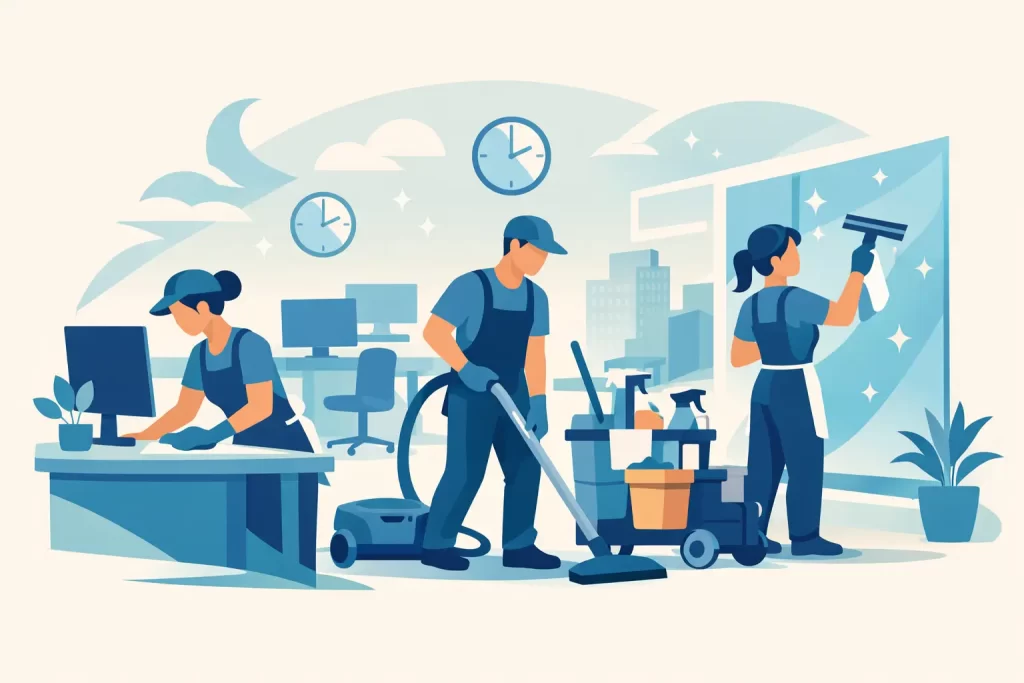
A reception-area floor can look clean at 9 a.m. and show every footprint by lunchtime. A break room can stay fresh for days or become a sanitation concern after one busy afternoon. That is why the best office cleaning frequency options are not one-size-fits-all. The right schedule depends on how your office is used, who enters it, and the standard your employees and visitors expect.
For New Jersey businesses, a professional cleaning plan should protect more than appearances. It should support a healthier workplace, reduce daily distractions, and make sure clients walk into a space that reflects well on your business. The goal is not to pay for cleaning you do not need. It is to avoid the higher cost of an office that looks neglected or becomes harder to maintain.
Best Office Cleaning Frequency Options by Workplace Need
Most offices fit into one of four service levels: daily, several times per week, weekly, or a customized combination. Each can work well when it matches the traffic, layout, and operations of the building.
Daily office cleaning
Daily cleaning is usually the right choice for busy offices, customer-facing businesses, medical-adjacent workplaces, shared workspaces, and facilities with large teams. It keeps restrooms, break rooms, entryways, and high-touch surfaces under control before buildup becomes visible.
A daily schedule commonly includes trash removal, restroom cleaning and restocking, vacuuming or floor care in main areas, cleaning break-room surfaces, and disinfecting high-touch points such as door handles, elevator buttons, shared desks, and light switches. This level of attention is especially valuable when clients visit regularly or employees use common areas throughout the day.
The trade-off is budget. Daily service costs more than a weekly visit, but it can prevent the need for frequent catch-up cleaning and help preserve flooring, fixtures, and furniture. For a high-traffic office, daily cleaning is often the more practical investment.
Three to five times per week
For many small and mid-sized offices, cleaning three to five times per week provides the best balance of cleanliness and cost. This schedule works well for offices with 10 to 50 employees, steady foot traffic, shared restrooms, and a break room that gets regular use.
A Monday, Wednesday, Friday plan may be enough for a professional office with moderate traffic. Four or five visits a week may make more sense if staff are in the office full time, clients come in often, or the space includes multiple restrooms and conference rooms.
This option gives your team a consistently clean environment without paying for service on low-use days. It also gives a professional cleaning crew enough touchpoints each week to catch spills, trash buildup, and restroom issues before they affect the workplace.
Weekly office cleaning
Weekly cleaning is a solid option for low-traffic offices, small professional suites, hybrid workplaces, and teams that mostly work remotely. If only a few employees use the space each day and customers rarely visit, a thorough weekly cleaning can keep the office presentable.
The key word is thorough. A weekly visit should cover the areas that may have been lightly maintained by employees during the week: restrooms, floors, desks or shared surfaces, kitchen areas, trash bins, glass, and dusting. It should not be treated as a quick surface cleanup.
Weekly service may not be enough when employees share close quarters, food is prepared on site, or the office receives frequent deliveries and visitors. In those situations, adding a short midweek service for trash, restrooms, and common touchpoints can make a major difference.
Biweekly or monthly cleaning
Biweekly or monthly cleaning can work for offices that are rarely occupied, such as satellite locations, private executive suites, storage offices, or businesses with a very limited in-person schedule. These plans are also useful as a deeper-cleaning add-on to an in-house daily tidying routine.
However, a less frequent plan requires accountability. Someone on site still needs to remove food waste, wipe up spills, replenish supplies, and report any restroom or kitchen concerns. Without that basic care, an office can decline quickly between professional visits.
How to Choose the Right Office Cleaning Schedule
Start with foot traffic, not square footage alone. A small office with a steady flow of customers may need more frequent cleaning than a larger office where only six people work quietly each day. Reception areas, hallways, restrooms, and break rooms usually tell the real story.
Consider how employees use the space. Offices with shared desks, communal kitchens, conference rooms, and high-touch equipment need more frequent attention than private offices with limited shared areas. A hybrid work schedule may also change your needs. If most people are in the office Tuesday through Thursday, cleaning on Thursday evening or Friday can keep the space in good condition for the next workweek.
Your industry matters as well. Financial offices, law firms, real estate offices, retail spaces, and client-facing service businesses often benefit from a higher standard of presentation. Warehouses and industrial offices may need focused cleaning around entryways, restrooms, and employee areas while requiring specialized floor care based on the environment.
Finally, think about what visitors see first. Dirty glass doors, overflowing trash, stained carpet, and poorly maintained restrooms can weaken confidence in your business before a conversation even begins. A clean office supports the professional image your team works hard to build.
Build a Plan Around Daily Tasks and Deep Cleaning
The strongest cleaning schedules separate routine maintenance from periodic deep cleaning. Routine visits keep the office functional and sanitary. Deep cleaning protects the condition of the space over time.
Daily or recurring services should focus on the areas employees and visitors touch most often. That includes restrooms, trash, floors, break rooms, entryways, and shared surfaces. These tasks control odors, reduce visible mess, and help maintain a healthier environment.
Deeper work can be scheduled monthly, quarterly, or as needed. Carpet cleaning, detailed baseboard cleaning, interior window cleaning, upholstery care, high-dusting, and floor stripping or waxing are not necessary at every visit. Still, putting them on a regular calendar prevents the office from reaching the point where cleaning becomes disruptive or expensive.
A good cleaning provider will help you separate these needs rather than selling one generic package. You may need nightly restroom and trash service, weekly detailed cleaning for workstations and floors, and quarterly carpet care. That type of plan is often more effective than choosing only “daily” or “weekly” service.
Signs Your Current Cleaning Frequency Is Too Low
Your office may need more frequent service if employees are regularly emptying trash, cleaning restrooms, or avoiding the break room because it feels unpleasant. Complaints about odors, dusty surfaces, fingerprints on glass, or dirty floors are also clear signals that the schedule is not keeping pace with use.
Other signs are less obvious. If a cleaner must spend most of each visit catching up instead of maintaining the space, the intervals between visits are likely too long. The same is true when carpet stains become permanent, restroom supplies run out, or cleaning tasks start falling onto office managers and staff.
Increasing frequency does not always mean moving directly to daily cleaning. A second or third weekly visit, or a targeted service for restrooms and common areas, may solve the problem while keeping the plan cost-conscious.
Reliable Cleaning Makes Scheduling Easier
The schedule on paper only works if the service is consistent. Businesses need professionally trained staff who arrive as agreed, follow the scope of work, and treat the office with care. Licensed, insured, and bonded cleaning professionals provide the reassurance business owners and office managers need when giving a team access to their workplace.
JPR Cleaning works with businesses to build recurring office cleaning plans around real use patterns, not assumptions. Whether your office needs daily care, a few visits each week, or dependable weekly service, the right plan should feel easy to manage and easy to trust.
A clean office should never become another task your employees have to manage. Choose a frequency that keeps your workplace healthy, welcoming, and ready for the next employee, customer, or client who walks through the door.
Pingback: How to Maintain Cleaner Indoor Air at Home - JPR Cleaning
Pingback: How to Reduce Workplace Allergens in Your Office - JPR Cleaning
Pingback: Office Cleaning vs In House Staff: Which Wins? - JPR Cleaning
Pingback: 10 Signs Your Office Needs Cleaning Right Now - JPR Cleaning
Pingback: Day Porter Versus Nightly Cleaning for Your Business - JPR Cleaning
Pingback: How to Prevent Restroom Odors at Home or Work - JPR Cleaning
Pingback: Cleaning Scope of Work Guide for Homes & Offices - JPR Cleaning