
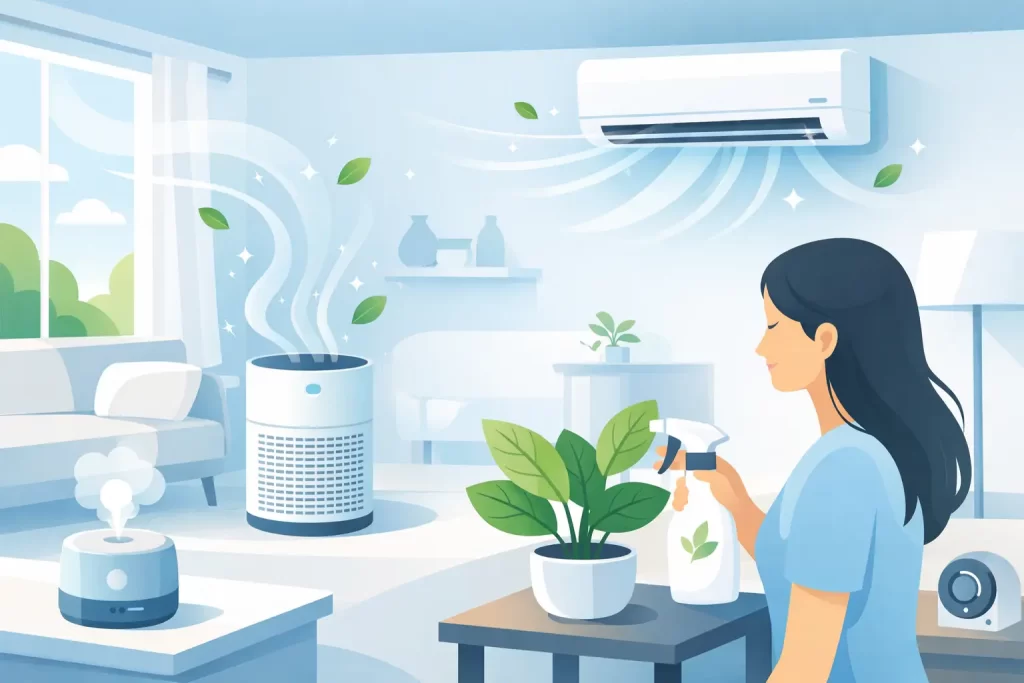
That layer of dust on a shelf is more than a housekeeping issue. It can include pollen, pet dander, fibers, skin cells, and particles tracked in from outdoors. Learning how to maintain cleaner indoor air starts with controlling what enters your space, removing what settles, and avoiding habits that keep particles circulating.
For homes, apartments, offices, and retail spaces, the goal is not to create a sterile environment. It is to keep everyday pollutants from building up until the air feels stale, surfaces get dusty quickly, or odors become part of the space. Consistent cleaning and a few practical maintenance habits make a real difference.
How to Maintain Cleaner Indoor Air Every Week
Indoor air gets dirtier when dust and moisture are allowed to collect. A regular routine works better than an occasional deep clean because it removes particles before they are repeatedly kicked back into the air.
Start with floors. Carpet, area rugs, and upholstered furniture hold onto dust, allergens, and outdoor debris. Vacuum carpets and rugs at least once a week, and more often in high-traffic areas, homes with pets, or workplaces where people come and go throughout the day. A vacuum with a HEPA filter is a smart choice because it is designed to capture finer particles rather than sending them back into the room.
Hard floors need attention too. Sweeping can move fine dust around, especially if the broom is dry or worn. Vacuum first when possible, then use a damp mop to collect what remains. Entryways deserve extra care because they are the main path for dirt, pollen, road dust, and moisture from outside.
Dust high surfaces before cleaning lower ones. Ceiling fan blades, vents, tops of cabinets, blinds, window sills, and shelving can all release particles when disturbed. Use a microfiber cloth that traps dust instead of a feather duster that simply pushes it into the air. Wipe surfaces with a slightly damp cloth when appropriate, then vacuum or mop the floor afterward.
In a busy office or retail setting, this routine also protects presentation. Customers notice dusty fixtures, dirty floors, and lingering odors. Employees notice them too, particularly in shared work areas where dust and clutter build up fast.
Keep Outdoor Pollutants at the Door
Much of the material found indoors starts outside. Shoes carry in dirt, pollen, lawn chemicals, salt, and other debris. A good doormat outside the entrance and another just inside can reduce what reaches your floors. Clean those mats regularly, since a dirty mat eventually becomes another source of dust.
For households, a simple shoe-off policy can help, especially during wet weather or high-pollen seasons. It may not be practical for every business, but commercial spaces can still reduce tracked-in debris with durable entry mats and frequent vacuuming near doors.
Windows are another trade-off. Fresh air can improve a stuffy room, but opening windows during heavy pollen days, nearby construction, wildfire smoke, or high outdoor humidity may bring in more pollutants than it removes. Check local conditions and use judgment. When outdoor air is clean and dry, opening windows briefly can be helpful. When it is not, keep them closed and rely on properly maintained HVAC filtration.
Change Filters and Clean Air Pathways
Your heating and cooling system moves air through the entire property. If its filter is clogged, it cannot do its job efficiently. Check the filter monthly and replace it based on the manufacturer’s guidance, the filter type, and how heavily the system is used. Homes with pets, allergy concerns, or frequent activity may need more frequent changes.
Use a filter that your system can handle. Higher-rated filters can capture smaller particles, but a filter that is too restrictive for an older or smaller HVAC system may reduce airflow. When in doubt, ask an HVAC professional what rating is appropriate for your equipment.
Do not forget the vents and returns. Dust on vent covers can blow into the room when the system starts. Vacuum them carefully and wipe them down as part of routine cleaning. Keep furniture, boxes, and curtains from blocking returns, since restricted airflow can leave rooms feeling stale.
Portable air purifiers can be useful in bedrooms, nurseries, conference rooms, or areas where someone has allergies. They work best when sized for the room, run consistently, and fitted with a clean filter. An air purifier is a supplement to cleaning, not a substitute for removing dust, pet hair, food residue, and moisture sources.
Control Moisture Before It Becomes a Bigger Problem
Humidity affects both comfort and air quality. Excess moisture can encourage mold growth, worsen musty odors, and create a welcoming environment for dust mites. Bathrooms, kitchens, basements, laundry rooms, and poorly ventilated storage areas need regular attention.
Run bathroom exhaust fans during showers and for a period afterward. Use the kitchen range hood when cooking, particularly when frying, searing, or using gas appliances. These activities release moisture, grease particles, and odors that can otherwise travel through the home.
Look for warning signs: condensation on windows, peeling paint, a persistent musty smell, damp carpet, or dark spots around sinks and ceilings. Clean visible mildew promptly using an appropriate product for the surface, but do not treat recurring moisture as a cleaning-only issue. A leak, poor ventilation, or drainage problem needs to be corrected at the source.
Basements often need a dehumidifier during humid New Jersey summers. Empty and clean the unit as directed, and aim for a comfortable humidity range rather than running it unnecessarily. If a space feels damp even with a dehumidifier, it may be time to investigate foundation leaks, plumbing issues, or inadequate ventilation.
Choose Cleaning Products With Care
A strong chemical smell does not necessarily mean a space is cleaner. Some sprays, fragrances, and aerosol products can irritate sensitive people or leave lingering odors in enclosed rooms. Choose products that match the job, follow label directions, and avoid using more than necessary.
For everyday dusting and floor care, microfiber cloths, properly diluted cleaners, and low-odor products are often enough. When disinfecting is needed, clean visible soil first. Disinfectants are most effective on a clean surface and should be used according to their required contact time.
Avoid mixing cleaning products. Combining products such as bleach and ammonia can create dangerous fumes. Store supplies securely, keep lids closed, and make sure cleaning closets have reasonable ventilation. In commercial settings, staff should be trained on product use, dilution, and safe storage rather than relying on guesswork.
Scented candles, incense, and air fresheners can also add particles or fragrances to the air. If odors keep returning, find the cause instead of covering it up. Trash, damp towels, dirty upholstery, food spills, neglected drains, and pet areas are common sources that need cleaning, not more fragrance.
Pay Attention to Fabrics, Pets, and Hidden Dust
Soft surfaces are easy to overlook because they do not always look dirty. Wash bedding weekly in hot water when fabric care instructions allow. Clean curtains, blankets, pet beds, and removable cushion covers regularly. Vacuum upholstered furniture with the proper attachment, including under cushions and along seams where hair and crumbs collect.
Pets can be a major source of dander and tracked-in debris, but they do not have to mean poor indoor air. Regular grooming, frequent vacuuming, and washing pet bedding help keep allergens under control. Keep litter boxes clean and place them in a ventilated area when possible.
Clutter can create hidden dust reservoirs. Stacks of paper, crowded shelves, stored boxes, and rarely moved furniture make routine cleaning harder. You do not need an empty home or office, but organized spaces are easier to wipe down, vacuum, and inspect for moisture or pest issues.
When Professional Cleaning Makes Sense
A consistent professional cleaning schedule can support cleaner indoor air when life, family responsibilities, or business operations make regular upkeep difficult. Trained cleaners can focus on dust-prone surfaces, floors, restrooms, kitchens, high-touch areas, and the details that are often missed during a quick clean.
For offices and retail spaces, recurring service creates a more dependable standard. Clean floors and restrooms support employee comfort, while well-maintained customer areas protect the impression your business makes every day. For homes and apartments, it provides more time back without letting dust and buildup take over.
JPR Cleaning provides dependable residential and commercial cleaning with professionally trained staff who understand that a clean space should also feel healthy and cared for.
Cleaner air is built through ordinary habits done consistently: remove dust, manage moisture, maintain filters, and address odors at their source. If your home or workplace is hard to keep ahead of, a reliable cleaning routine can give you a fresher space and one less thing to worry about.