
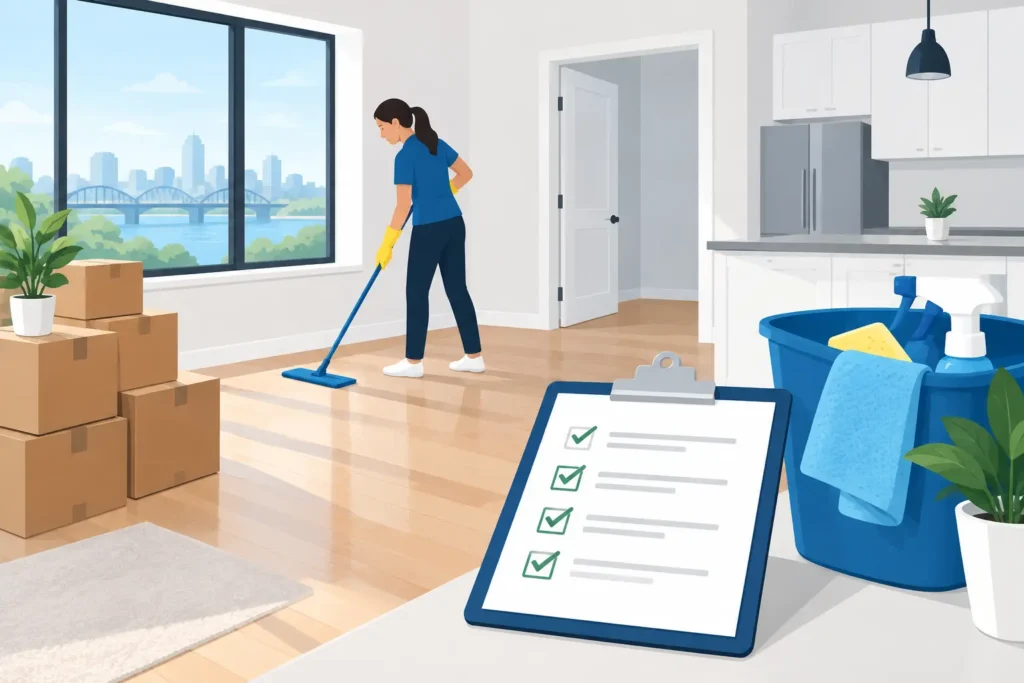
A move can be stressful enough without discovering a dirty oven, stained carpet, or forgotten cabinet the day before keys are due. Move out cleaning Middlesex County residents need should focus on the details that landlords, buyers, property managers, and new occupants actually notice. The goal is not simply to make a space look tidy. It is to leave it clean, sanitary, and ready for the next person.
Whether you are leaving an apartment in Edison, selling a home in Woodbridge, or turning over a rental in New Brunswick, a proper final clean protects your time, your reputation, and often your security deposit. The right plan keeps the work organized and prevents the most common last-minute problems.
What Move Out Cleaning Should Cover
Move-out work is different from a regular weekly cleaning. During routine service, cleaners focus on keeping the home comfortable and maintained. A move-out clean goes further because furniture is removed, storage areas are empty, and every surface is available for inspection.
Start with the spaces that collect the most grime: kitchens and bathrooms. In the kitchen, that means cleaning inside cabinets and drawers, wiping shelves, degreasing the stovetop and oven, sanitizing counters, and cleaning the refrigerator after it has been emptied. Crumbs in drawers and residue on appliance handles can make an otherwise clean kitchen feel neglected.
Bathrooms require the same level of attention. Soap buildup on tile, hard-water marks on fixtures, dust around exhaust vents, and residue inside medicine cabinets are easy to miss when the room is still in daily use. Once the space is empty, these details stand out immediately.
The rest of the home should include dusting baseboards, wiping doors and trim, cleaning light switches, removing cobwebs, vacuuming edges, and mopping hard floors. Windowsills, closet shelves, blinds, and interior glass should also be reviewed. If your lease requires carpet cleaning, confirm the requirement early rather than assuming basic vacuuming is enough.
Move Out Cleaning Middlesex County Renters Can Plan Around
Timing matters. Cleaning a home while boxes, moving supplies, and furniture are still everywhere creates extra work and makes it harder to reach the areas that need attention. Whenever possible, schedule cleaning after most belongings have been removed and before the final walk-through.
For renters, review the lease before booking service. Some property managers provide a move-out checklist with specific expectations, such as cleaning behind appliances, removing adhesive from walls, or arranging professional carpet care. Follow that checklist, but do not rely on it alone. A clean inspection-ready home also needs clear floors, empty trash, wiped storage spaces, and a fresh overall appearance.
Home sellers have a different concern. A buyer may walk into the property shortly after closing, and the condition of the home helps shape the final impression of the sale. A clean home shows consideration and makes the handoff feel professional. In a competitive housing market, it also reflects the care given to the property before closing.
For landlords and property managers, a thorough turnover clean helps prepare the unit for maintenance, photography, showings, and the next tenant. It can reduce vacancy time and help identify issues hidden beneath dust, clutter, or buildup.
The Areas People Forget Until Inspection Day
Most move-out cleaning problems are not caused by obvious messes. They come from small areas that were overlooked for months or years. A quick room-by-room review helps avoid unpleasant surprises.
In the kitchen, look at the top of cabinets, under the sink, inside the dishwasher, around the range hood, and behind removable refrigerator drawers. Check the drip pans or grates, depending on the appliance, and do not forget the narrow floor spaces around appliances. Grease and dust collect there quickly.
In bathrooms, inspect the shower track, grout lines, toilet base, vanity drawers, and the area behind the toilet. Clean the mirror and faucet until they are free of streaks. If mildew is present, it should be addressed carefully and safely rather than covered up with fragrance.
Bedrooms and living areas need more than a pass with a vacuum. Check closets, ceiling fan blades, vents, baseboards, door frames, and window tracks. Remove hooks, tape, and wall-safe adhesive when allowed, then clean remaining residue with a surface-appropriate product. Be cautious with painted walls. Aggressive scrubbing can remove paint and create a repair issue where there was only a small mark before.
Outdoor areas may be part of the move-out responsibility as well. Balconies, patios, garages, entryways, and shared storage areas should be cleared of personal belongings and swept according to the lease or sale agreement.
When Professional Cleaning Is Worth It
It depends on the condition of the space, your deadline, and what your landlord or buyer expects. A lightly used apartment may be manageable on your own if you have enough time and the right supplies. A larger home, a property with pets, or a kitchen with heavy buildup usually takes much longer than people expect.
Professional service is especially helpful when you are coordinating movers, utility shutoffs, work schedules, and a fixed key-return date. Trained cleaners work through the property methodically, using appropriate products and equipment for the job. That can save hours of labor and reduce the chance that one important area is missed.
It also provides peace of mind when you need reliable people inside an empty property. Choose a cleaning company that is licensed, insured, and bonded, with trained staff and clear communication about the work being performed. The cheapest quote is not always the best value if it leaves you doing a second round of cleaning before inspection.
JPR Cleaning provides dependable cleaning support for Middlesex County homes, apartments, offices, and retail spaces. A professional estimate helps set clear expectations based on the size of the property, its current condition, and the level of cleaning needed.
How to Prepare Before the Cleaners Arrive
A little preparation makes professional move-out cleaning more efficient. Remove all personal belongings, including items in closets, cabinets, the refrigerator, and storage areas. Cleaning around leftover boxes or bags takes time away from the actual deep cleaning.
Make sure water and electricity remain on until the work is complete. Cleaners need working lights, running water, and power for vacuums and other equipment. If the property has parking restrictions, elevator reservations, a gate code, or building access rules, share that information before the appointment.
It also helps to identify any concerns in advance. Point out spills, pet areas, heavy grease, hard-water buildup, or rooms that need special attention. Honesty allows the cleaning team to plan properly. A standard empty-home cleaning may not include services such as mold remediation, wall repair, hauling, pest treatment, or exterior power washing, so ask what is included before the appointment.
A Better Final Walk-Through
After the cleaning is complete, walk through the property slowly with your phone flashlight. Open every cabinet and drawer. Look at floors from different angles, check inside appliances, and confirm that nothing has been left behind. Take dated photos or video once the home is empty and clean, especially if you are returning keys to a landlord.
Keep receipts and written records of any cleaning or carpet services required by your lease. They can be useful if there is a question about a security deposit later. For sellers, leave appliance manuals, garage door openers, and agreed-upon keys in one clearly labeled location rather than mixing them with cleaning supplies or trash.
A move-out clean is one of the final tasks before closing a chapter. Give it the attention it deserves, and the next handoff can feel orderly, respectful, and complete.