
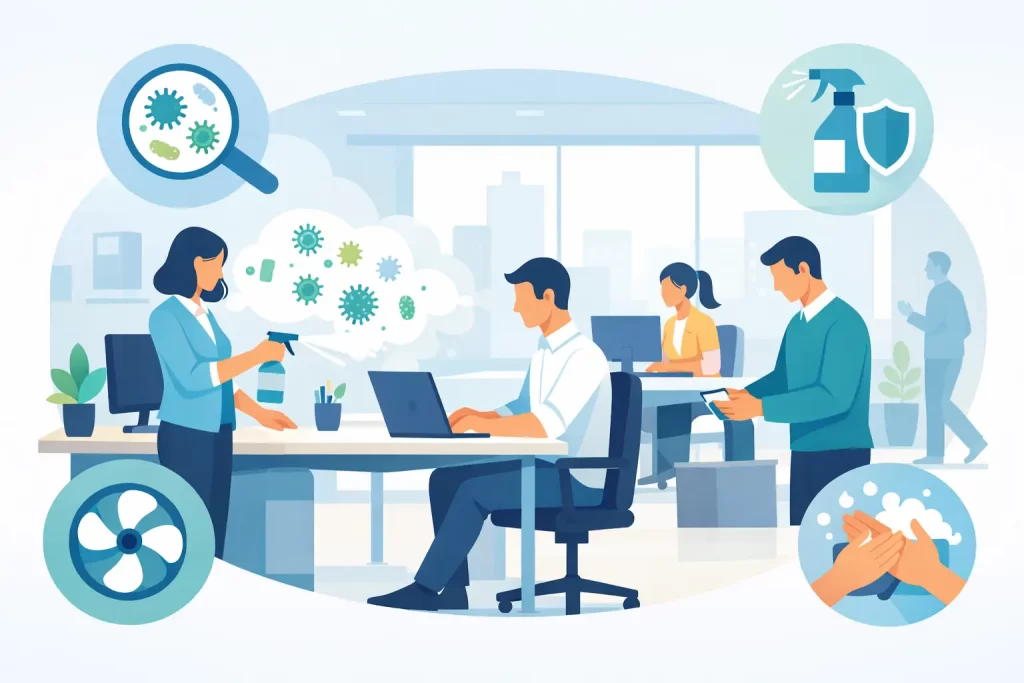
A shared keyboard can pass through several hands before lunch. The break room faucet, conference room remote, front-door handle, and copier buttons are touched even more often. Learning how to reduce office germs is not about making employees anxious about every surface. It is about building sensible cleaning habits that protect your team, support fewer disruptions, and help your workplace feel cared for.
For office managers and business owners, the goal is simple: maintain a clean, healthy environment without interrupting the workday. That takes more than an occasional wipe-down when someone is sick. It takes a routine that prioritizes high-touch areas, gives employees practical support, and uses professional cleaning where it makes the most difference.
How to Reduce Office Germs Starts With High-Touch Surfaces
Not every surface needs the same level of attention. A bookshelf in a private office and a shared refrigerator handle do not carry the same daily traffic. Focus your cleaning effort where hands regularly meet shared equipment and common areas.
The highest-priority touchpoints typically include entrance handles, elevator buttons, light switches, restroom fixtures, shared keyboards and mice, phones, conference tables, copier controls, break room appliances, and door handles throughout the office. These surfaces should be cleaned regularly and disinfected according to the product label and your workplace needs.
Cleaning and disinfecting are related, but they are not identical. Cleaning removes dirt, dust, and buildup. Disinfecting uses an appropriate product to reduce germs on a surface. A surface that is visibly soiled should be cleaned first, because grime can keep a disinfectant from working as intended. Staff should also follow the required contact time on the product label rather than spraying and immediately wiping it away.
There is a trade-off here. Overusing harsh chemicals can create strong odors, damage certain finishes, and make an office unpleasant to occupy. The right approach is consistent, targeted cleaning with products suited to the surface, not excessive chemical use everywhere.
Build a Routine Around the Way Your Office Operates
A good office cleaning plan fits the actual rhythm of the business. A busy medical-adjacent office, customer-facing retail location, or shared coworking space may need several touchpoint cleanings during the day. A small office with mostly individual workstations may need a detailed nightly service and quick daytime attention in common areas.
Start by identifying the spaces everyone uses. Entrances, restrooms, kitchens, meeting rooms, and reception areas deserve a regular schedule because they affect both health and presentation. Then consider the times that create the most traffic. For many offices, the period after lunch and the end of the day are the best opportunities to refresh shared spaces.
A dependable routine might include daily restroom sanitation, break room cleaning, trash removal, and disinfection of common touchpoints. Workstations can be addressed on a set schedule or by request, especially when desks are assigned to individual employees. Shared desks and hot-desking areas need more frequent attention because multiple people use the same equipment.
Consistency matters more than a once-a-month deep clean. Deep cleaning is valuable for floors, upholstery, detailed dusting, and hard-to-reach buildup, but it cannot replace regular care of the surfaces people touch every day.
Give Employees Simple Ways to Help
Professional cleaning creates the foundation, but employees also shape the condition of the office between services. Keep hand soap, paper towels, and hand sanitizer stocked where people naturally need them. Empty dispensers send the wrong message and make good habits harder to maintain.
Place disinfecting wipes or suitable cleaning supplies near shared equipment, but keep the instructions clear. Employees should know which products are safe for electronics and how to use them without damaging screens, keyboards, or finishes. A quick reminder to wipe down a shared desk after use can be effective when it is easy to follow and does not feel like extra paperwork.
Encourage handwashing after restroom use, before eating, and after handling shared materials. This is basic, but it remains one of the most practical ways to limit the spread of germs in a workplace. Good ventilation, when your building allows it, also supports a fresher indoor environment. Open windows may help in some offices, while others rely on properly maintained HVAC systems and clean air filters.
Keep Sick-Day Policies Practical and Respectful
Employees should not feel pressured to work in person when they are clearly unwell. A reasonable sick-day or remote-work policy can reduce exposure in shared spaces and show that the company values its people. The policy does not need to be complicated. It needs to be understood, applied consistently, and supported by managers.
When someone has been sick at work, avoid panic cleaning. Instead, clean and disinfect the areas they used most, including their workstation if it is shared, nearby touchpoints, restroom fixtures, and break room surfaces. The response should be thorough but proportionate to the situation.
It also helps to keep communication professional. Employees do not need personal details about a coworker’s illness. They do need confidence that the office is being cared for and that practical steps are in place.
Do Not Forget the Break Room and Restrooms
Break rooms are often where office cleaning plans fall behind. Food crumbs, spills, coffee residue, and a crowded refrigerator can create an unpleasant space even before germs become a concern. Clean counters, tables, appliance handles, sink fixtures, and microwave controls regularly. Empty trash before it overflows, and make sure food is not left to spoil in shared refrigerators.
Restrooms require the same dependable attention. Toilets, urinals, sinks, faucet handles, dispensers, stall doors, and floors need routine cleaning and sanitation. Supplies should be replenished before they run out, not after an employee reports a problem. A clean restroom affects employee confidence and visitor impressions more than many business owners realize.
These spaces are also where professional cleaning teams can provide real value. Trained staff know how to clean efficiently, use appropriate products, and keep service consistent without pulling your employees away from their jobs.
Use Professional Office Cleaning for Consistent Results
An internal checklist can help, but it is difficult to maintain when office staff are busy serving clients, managing operations, and meeting deadlines. Outsourced office cleaning gives businesses a structured plan and accountable support for the tasks that are easiest to postpone.
A professional service can tailor frequency to your office size, foot traffic, industry, and operating hours. Some businesses need evening cleaning so work is never interrupted. Others benefit from daytime porter service for restrooms, entrances, and shared spaces. The right schedule depends on the building and how it is used.
JPR Cleaning provides dependable office cleaning for New Jersey businesses that want a healthier, better-presented workplace. Professionally trained staff can handle routine cleaning, detailed sanitation, and the high-touch areas that deserve regular attention, with the reassurance of a licensed, insured, and bonded cleaning partner.
When choosing a cleaning provider, look beyond the lowest quote. Ask about service scope, scheduling flexibility, quality control, insurance, and how concerns are handled. Reliability matters because an office that is cleaned well one week but missed the next will not maintain the standard your employees and visitors expect.
A Cleaner Office Supports Better Workdays
A clean office will not prevent every cold or illness, and no cleaning plan can replace good personal hygiene. Still, regular attention to touchpoints, restrooms, break rooms, and shared equipment can reduce avoidable exposure while making the workplace more comfortable for everyone.
The best plan is one your team can maintain. Set a realistic routine, keep essential supplies available, and bring in trained cleaning support when you need dependable results. A healthier office is not created by one big cleanup. It is built through the steady care people notice every time they walk through the door.