
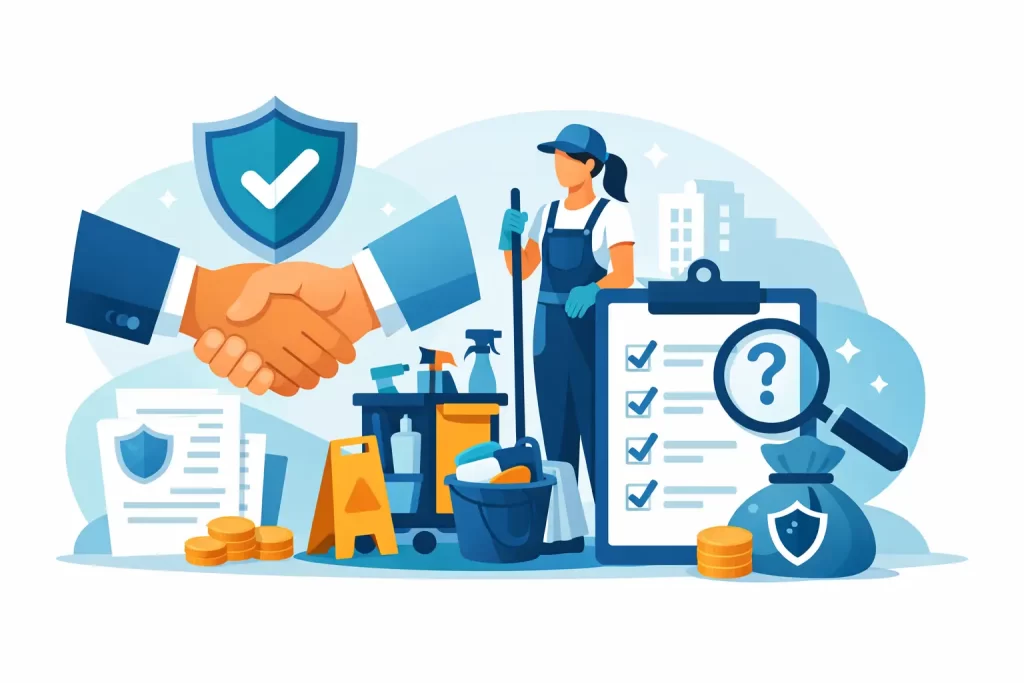
You are handing over keys, alarm codes, and access to the places that matter most. That is why people ask, are cleaning companies bonded, and what does that actually protect? It is a fair question, because trust matters just as much as clean floors and sanitized surfaces.
The short answer is this: some cleaning companies are bonded, and some are not. You should never assume. Bonding is one of the clearest signs that a company takes accountability seriously, but it is also one part of a bigger picture that includes licensing, insurance, staff screening, and training.
Are cleaning companies bonded, and what does that mean?
A bonded cleaning company has a type of financial protection in place that can help cover certain losses caused by dishonest acts, typically theft by an employee. In simple terms, a bond is there to protect the customer if something covered by the bond happens.
That matters in both homes and businesses. A homeowner may be worried about valuables, personal documents, or access to private rooms. A business owner may be concerned about inventory, equipment, customer areas, or after-hours entry. Bonding helps reduce the financial risk tied to letting a cleaning crew into your space.
Still, the phrase can be misunderstood. Some people hear “bonded” and assume it covers any accident, property damage, or injury. That is not always true. A bond is not the same thing as general liability insurance, and it does not replace workers’ compensation coverage. Each protection serves a different purpose.
Bonded vs. insured vs. licensed
If you are comparing providers, this is where many customers get tripped up. A company can be insured but not bonded. It can be bonded but still have weak hiring practices. It may claim to be licensed depending on local requirements, but that alone does not tell you how well protected you are.
Insurance usually covers accidental damage or liability-related events. For example, if a cleaner accidentally damages furniture, breaks a fixture, or causes another covered loss, liability insurance may apply. Workers’ compensation, where required, protects both the company and workers if an employee is injured on the job.
A bond is more specific. It is generally tied to customer protection from certain dishonest actions. That is why “licensed, insured, and bonded” carries more weight than any one of those terms by itself. Together, they show a stronger level of professionalism and preparation.
For customers, the takeaway is simple: do not stop at one credential. Ask about all three.
Why bonding matters when hiring a cleaning company
Most cleaning visits go exactly as they should. The crew arrives, completes the work, and leaves your space in better shape than they found it. But when you hire a service company, you are not just buying cleaning. You are buying reliability, accountability, and peace of mind.
Bonding matters because it shows the company has thought beyond basic operations. It tells you they understand the trust involved in entering a home, apartment, office, or retail space. That is especially important for recurring service, where cleaners may have regular access when you are not there.
For commercial clients, the stakes can be even higher. A cleaner may be working around confidential paperwork, employee workstations, cash handling areas, inventory rooms, or customer-facing spaces. For residential clients, the concern is often more personal. Family belongings, medications, electronics, and private information are all part of the environment.
A bonded company is not promising that nothing will ever go wrong. No honest provider should make that claim. What they are showing is that they have put protections in place and are operating with a higher standard of accountability.
Are all cleaning companies bonded?
No. Independent cleaners, small operators, and even some established companies may not carry bonding. In some cases, they may be insured but skip bonding to keep costs lower. In other cases, they may use the term loosely without clearly explaining what coverage they actually have.
That is why it helps to ask direct questions instead of relying on a website headline or a quick verbal answer. If a company says it is bonded, ask what kind of bond it carries and what it covers. A professional company should be able to answer clearly and without hesitation.
If the answer is vague, that is useful information. You want a provider that is transparent about its protections, not one that expects you to fill in the blanks.
What to ask before hiring
When you are deciding between cleaning companies, a few straightforward questions can tell you a lot.
Ask whether the company is bonded, insured, and licensed if applicable in your area. Ask whether the cleaners are employees or independent contractors, because that can affect responsibility and oversight. Ask how staff are screened, trained, and supervised. If the company offers recurring service, ask how they manage keys, alarm codes, and building access.
You can also ask what happens if something is damaged, something goes missing, or you are dissatisfied with the service. A dependable company will have a clear process for reporting issues and resolving them quickly.
These questions are not overkill. They are basic due diligence. A company that values trust will respect them.
What bonding does not guarantee
Bonding is a strong trust signal, but it is not a shortcut around common sense. It does not automatically mean every employee is excellent, every detail will be handled perfectly, or every dispute will be simple.
Coverage can have limits, exclusions, and claim requirements. Some bonds apply only in specific situations. Others may require proof, documentation, or a formal investigation before a claim moves forward. That is normal. Protection matters, but so does clarity.
This is why the best hiring decision is based on a combination of factors. Look for a company with trained staff, strong communication, reliable scheduling, clear policies, and a professional reputation. Bonding should support that trust, not replace it.
How bonded cleaning companies build more confidence
The real value of a bonded company is not just financial protection. It is the mindset behind it. Companies that invest in bonding often take other parts of professionalism seriously too. They are more likely to have structured hiring, better employee oversight, documented procedures, and stronger customer service.
That does not mean every non-bonded cleaner is careless. Some solo professionals do excellent work and build loyal client relationships over time. But if you are choosing between providers and one can clearly verify that it is bonded, insured, and professionally managed, that usually gives you a stronger starting point.
For many homeowners and business managers, that extra reassurance is worth it. Cleaning is a service built on trust. Credentials help turn a promise into something more concrete.
The bottom line on are cleaning companies bonded
If you have been asking, are cleaning companies bonded, the right answer is not yes or no across the board. The better answer is that reputable companies often are, but you should always verify. Bonding can protect you in specific situations, and it sends a strong message that the company takes responsibility seriously.
When you are inviting a cleaning team into your home or business, details matter. Ask about bonding. Ask about insurance. Ask how the company hires, trains, and supports its staff. A professional cleaning service should make those answers easy to understand.
At the end of the day, a clean space should feel better, not riskier. The right company will leave you with both a healthier environment and more confidence every time they walk through the door.
Pingback: Apartment Cleaning Services Review: What Matters - JPR Cleaning
Pingback: Trusted Cleaning Company Benefits That Matter - JPR Cleaning
Pingback: How Cleaning Quality Results Build Lasting Trust - JPR Cleaning